How to Use AI in Your Business in 2026: A Practical Playbook
A no-hype playbook for getting real, measurable value out of AI in your business in 2026 — from first pilot to scaled deployment.
Published May 16, 2026 · 11 min read

Why most AI rollouts stall
The pattern is familiar. A leadership team gets excited, buys a stack of tools, runs a few demos — and three months later usage is flat. The problem is rarely the technology. It's that nobody owned the workflow change.
This playbook is the inverse: a sequence built around workflows first, tools second.
Step 1: Find the one workflow
Pick a single, repetitive task that:
- Happens at least 10 times per week
- Has a clear input and output
- Is currently done by a person you can interview
Examples: inbound lead qualification, weekly reporting, support triage, blog drafting, vendor onboarding.
Don't start with "we should use AI for customer service." Start with "Sarah spends Tuesday and Thursday mornings tagging support tickets."

Step 2: Map the workflow
Spend an hour with the person doing the work. Document:
- Every input they consult
- Every decision they make
- Every output they produce
- Where they get stuck
This is the single highest-leverage hour of the entire project. Skip it and you'll automate the wrong thing.
Step 3: Pick the tool after the map
Now — and only now — choose a tool. Most workflows in 2026 collapse into three categories:
| Workflow | Tool category | Examples |
|---|---|---|
| Text generation/editing | LLM with workflow tool | ChatGPT, Claude, Lovable AI |
| Structured data processing | Automation platform | Make, n8n, Zapier with AI |
| Conversational | Agent platform | OpenAI Agents, Anthropic, custom |
Step 4: Build the smallest possible pilot
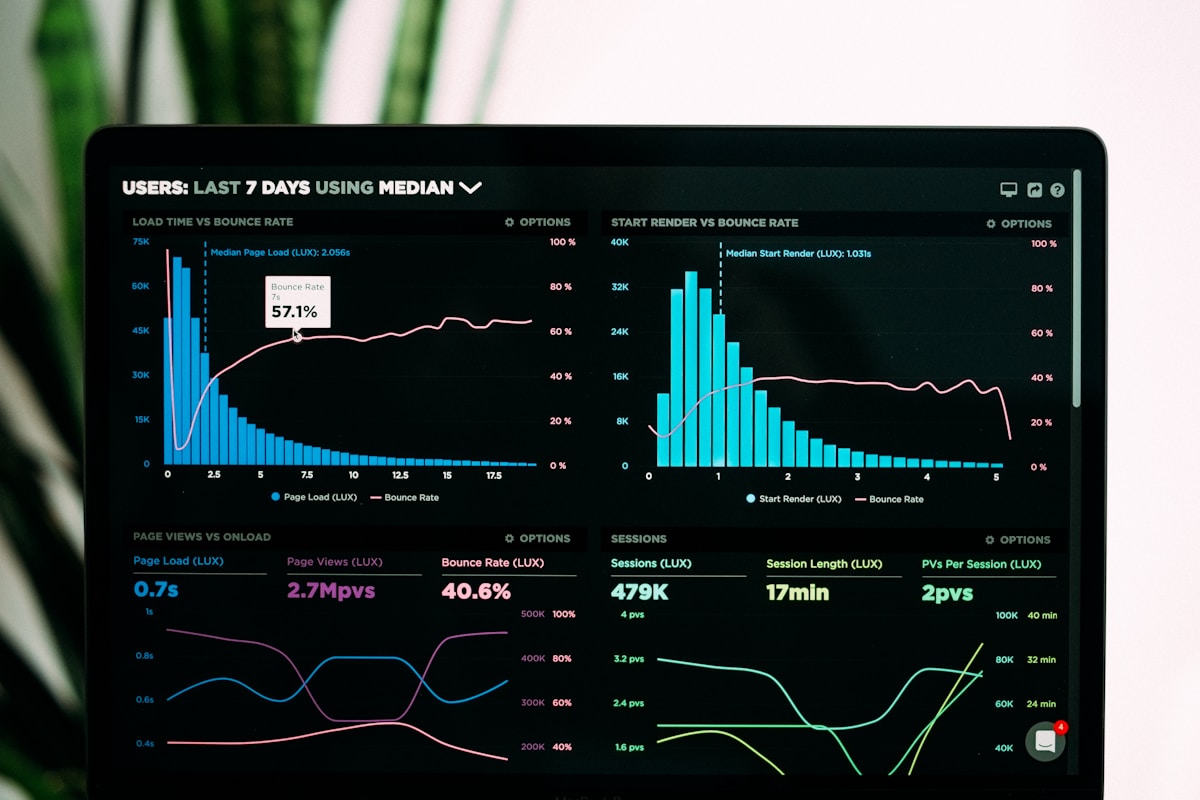
Two weeks. One workflow. One owner. Measure:
- Time saved per instance
- Quality delta (track exceptions, not averages)
- Throughput change
If you can't measure these, you cannot defend the project at the next budget review.
Step 5: Scale or kill
After two weeks, you'll know. Either expand to similar workflows or kill the project and move to the next. Sunk-cost thinking is the enemy of AI ROI.
What we've learned from 100+ rollouts
- Workflow first, tool second. Always.
- Owners win, committees lose. Every successful pilot we've seen had a single accountable owner.
- Measure before you start. Without a baseline, "AI saved us time" is just a feeling.
- Train, don't ban. Employees use AI anyway. Govern it instead of pretending otherwise.
Common traps to avoid
- Tool sprawl. Three tools used well beats fifteen sitting idle.
- The "build vs buy" rabbit hole. Buy. Build only when buying genuinely doesn't fit.
- Over-engineering prompts. A good 80% prompt today beats a perfect prompt next quarter.
- Ignoring security review. Loop in security on week one, not week ten.
Key Takeaways
- The bottleneck in business AI is workflow change, not technology.
- Start with one well-defined task and measure rigorously.
- Pick a tool only after mapping the workflow.
- Two-week pilots with clear metrics beat six-month "AI strategies".
Conclusion
Don't try to "transform your business with AI." Pick one workflow, measure the baseline, run a two-week pilot, and scale only what works. Repeat. That's the entire playbook — and the boring version is the one that compounds.
Need a sounding board? Email us with your pilot idea and we'll send back two pages of unsolicited feedback.
Frequently asked questions
What's the fastest way to get ROI from AI in a small business?
Start with one repetitive, high-volume task — customer support replies, sales outreach, or content drafting — and measure hours saved per week before expanding.
Do we need a data scientist to use AI?
No. The majority of 2026 AI tools are configured through prompts and integrations, not code. A clear-thinking operator beats a credentialed specialist for most use cases.
What are the biggest AI implementation mistakes?
Buying tools before defining workflows, skipping change management, and failing to measure baseline metrics. Address those three and most pilots succeed.
Sources
Stay ahead of the AI curve
New tools and breakthroughs every day. Read more from AINewsDaily.
Browse latest articles